


Inside the Rattan Furniture Manufacturing Industry: Materials, Techniques, and Innovation
- aksata woodcraft
- Sep 30, 2025
- 3 min read

The rattan furniture manufacturing industry has gained global recognition for producing furniture that combines natural beauty, durability, and sustainability. As demand for eco-friendly and stylish furniture continues to grow, rattan has become one of the most valuable materials in modern furniture production. Behind every rattan chair, table, or decorative piece lies a complex process that involves high-quality materials, traditional techniques, and continuous innovation. Understanding these elements provides insight into how the rattan furniture industry continues to thrive in international markets.
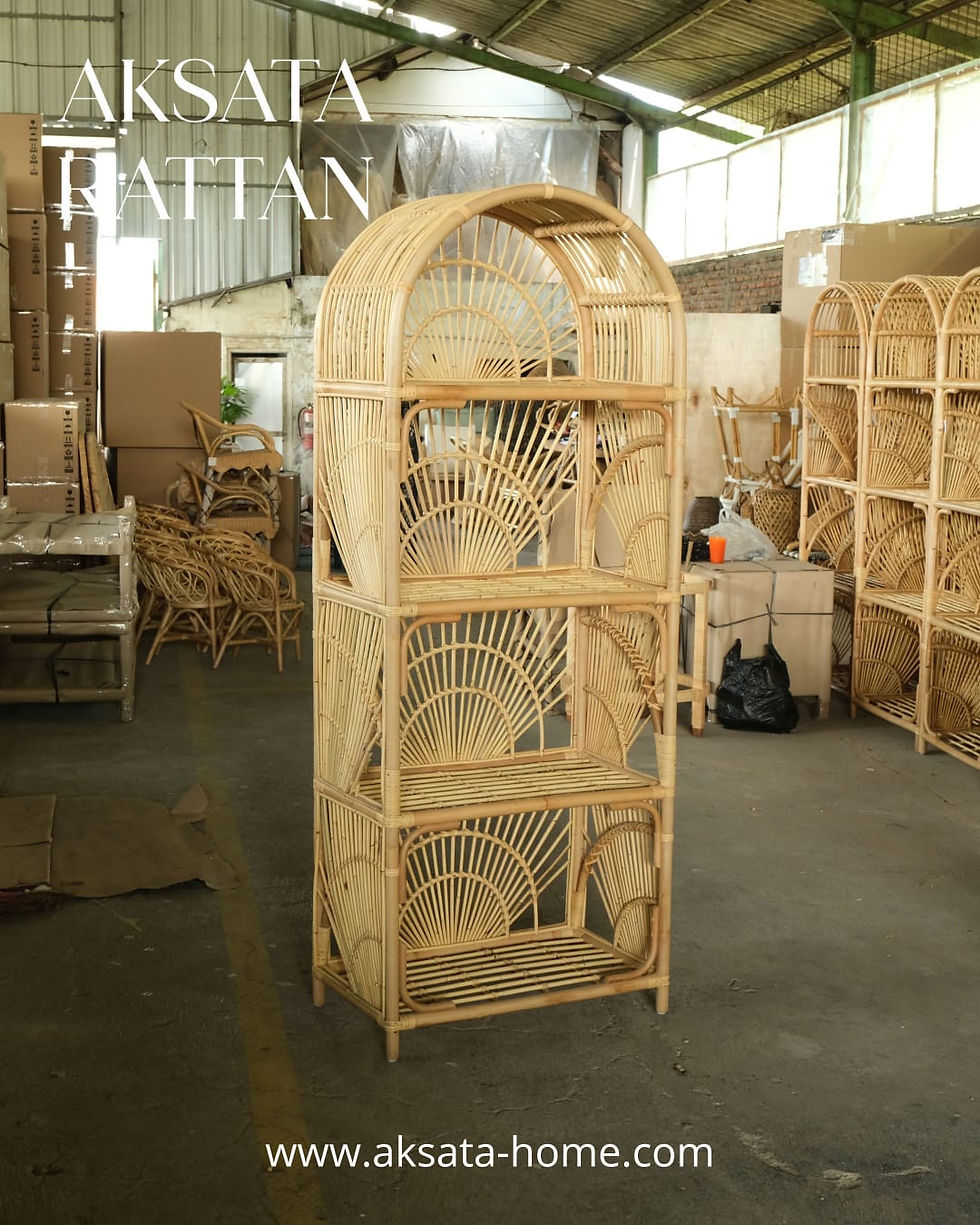
Natural Materials Used in Rattan Furniture
Rattan is a naturally occurring climbing palm that grows in tropical forests, particularly in Southeast Asia. It is widely used in furniture manufacturing because of its unique combination of strength, flexibility, and lightweight structure. These characteristics allow craftsmen to shape and weave the material into a wide variety of furniture designs.
In addition to natural rattan, manufacturers often combine other materials to enhance the durability and functionality of their products. These may include wood for structural support, metal frames for added strength, glass for tabletops, and fabric cushions for comfort. The combination of these materials allows rattan furniture to meet the demands of modern consumers.
Traditional Manufacturing Techniques
Traditional craftsmanship plays a major role in the rattan furniture manufacturing process. Skilled artisans carefully shape and weave rattan by hand using techniques that have been passed down through generations.
One of the most important processes is bending the rattan to create the furniture frame. This is usually done by applying heat or steam, which makes the rattan flexible enough to be formed into curves and structural shapes. Once the frame is complete, thinner rattan strands are woven around it to create decorative patterns and functional surfaces.
These weaving techniques require patience, precision, and years of experience, making each furniture piece unique.
Modern Production Methods
While traditional techniques remain essential, modern technology has also improved the efficiency and consistency of rattan furniture manufacturing. Many manufacturers now use specialized equipment for cutting, shaping, and drying rattan materials.
Controlled drying systems help maintain the proper moisture level in the rattan, reducing the risk of cracking or deformation. Advanced tools also allow manufacturers to create more precise furniture structures, ensuring greater durability and product quality.
By combining traditional craftsmanship with modern machinery, manufacturers can produce furniture more efficiently while maintaining high design standards.
Innovation in Design and Product Development
Innovation plays a crucial role in keeping the rattan furniture industry competitive in global markets. Designers continuously experiment with new shapes, structures, and design concepts to appeal to modern consumers.
For example, contemporary rattan furniture often features minimalist designs, geometric patterns, and mixed materials. Many manufacturers also incorporate modern finishes, protective coatings, and advanced lighting elements into their furniture collections.
This focus on innovation allows rattan furniture to remain relevant in both residential and commercial interior design projects.
Sustainability and Environmental Responsibility
Sustainability is another important factor driving the growth of the rattan furniture manufacturing industry. Rattan is considered an environmentally friendly material because it grows quickly and can be harvested without causing large-scale deforestation.
Many manufacturers also adopt responsible production practices such as reducing waste, using eco-friendly finishes, and optimizing material usage. These practices align with the increasing global demand for sustainable furniture products.
Global Market Opportunities
The rattan furniture industry has expanded significantly in international markets. Countries with strong rattan resources and skilled artisans, particularly in Southeast Asia, have become major exporters of rattan furniture.
Global demand comes from various sectors including residential housing, hospitality, interior design, and outdoor furniture markets. As consumers continue to value sustainability and natural aesthetics, rattan furniture remains a highly attractive option.
Conclusion
The rattan furniture manufacturing industry is built upon a strong foundation of natural materials, skilled craftsmanship, and continuous innovation. From traditional weaving techniques to modern production technologies, each element contributes to the creation of durable and aesthetically appealing furniture.
As sustainability and eco-friendly design continue to influence the global furniture market, the rattan furniture industry is well positioned to remain a key player in the future of furniture manufacturing.


Comments